
Did You Know
The Park Named for Someone Who Never Got to See It
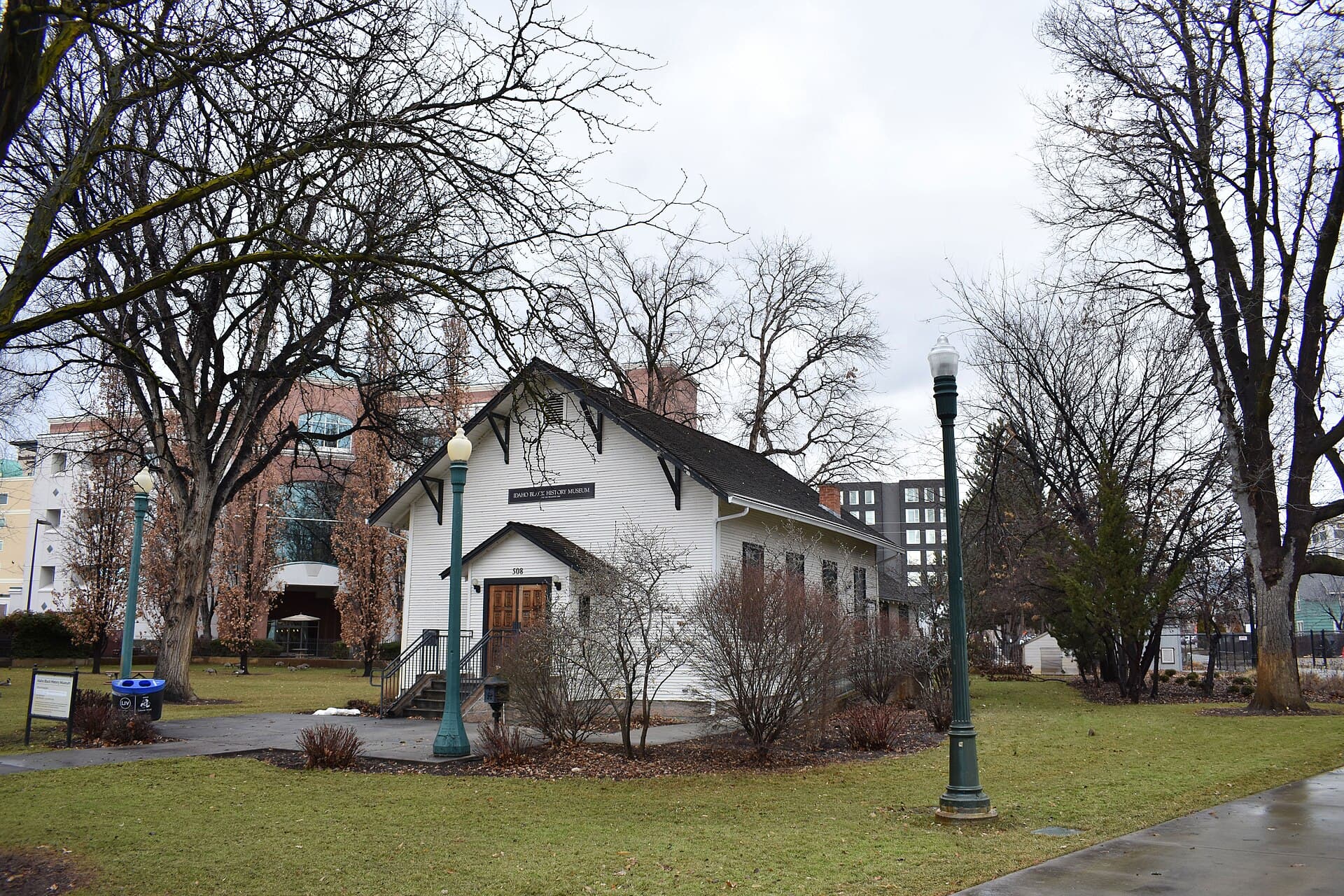
Julia Davis Park traces back to a single family donation made in memory of a woman whose name now anchors Boise’s riverfront.
BOISE, ID—Every weekend, thousands of people jog past the rose garden, cut through toward the zoo, or spread a blanket near the Boise River without giving much thought to the name on the sign. Julia Davis Park is simply the park—the one with the museums, the fountain, the geese that have no concept of personal space.
But the name is a memorial. Thomas Davis donated the land to the city in memory of Julia Davis, and what began as a family gesture along the Boise River eventually grew into the civic anchor it is today: home to the Idaho State Historical Museum, the Idaho Black History Museum, a botanical garden, a zoo, and enough lawn to host most of the city’s collective memory of summer.

The park sits at 610 N. Julia Davis Drive, a address that puts her name on nearly every institution inside it.
The Idaho State Historical Museum alone places the park on the Oregon National Historic Trail corridor—meaning the ground under those picnic blankets has been significant for a very long time, long before Boise had a parks department to maintain it. The Idaho Black History Museum, housed within the park, adds another layer to what the space holds.

A park that started as one family’s act of remembrance has become a place where the city does much of its collective remembering. There’s something quietly unusual about that.

Most parks get named after geography, or mayors, or someone who signed a check at a city council meeting. Julia Davis Park carries a name that was placed there out of grief and affection, and the city built around it without ever changing it.
She’s on the sign, the street, and the address line of every museum inside. For someone who never saw the park, she’s remarkably present in it.
