
Did You Know
The Basque Block Was Built for Survival, Not Tourism
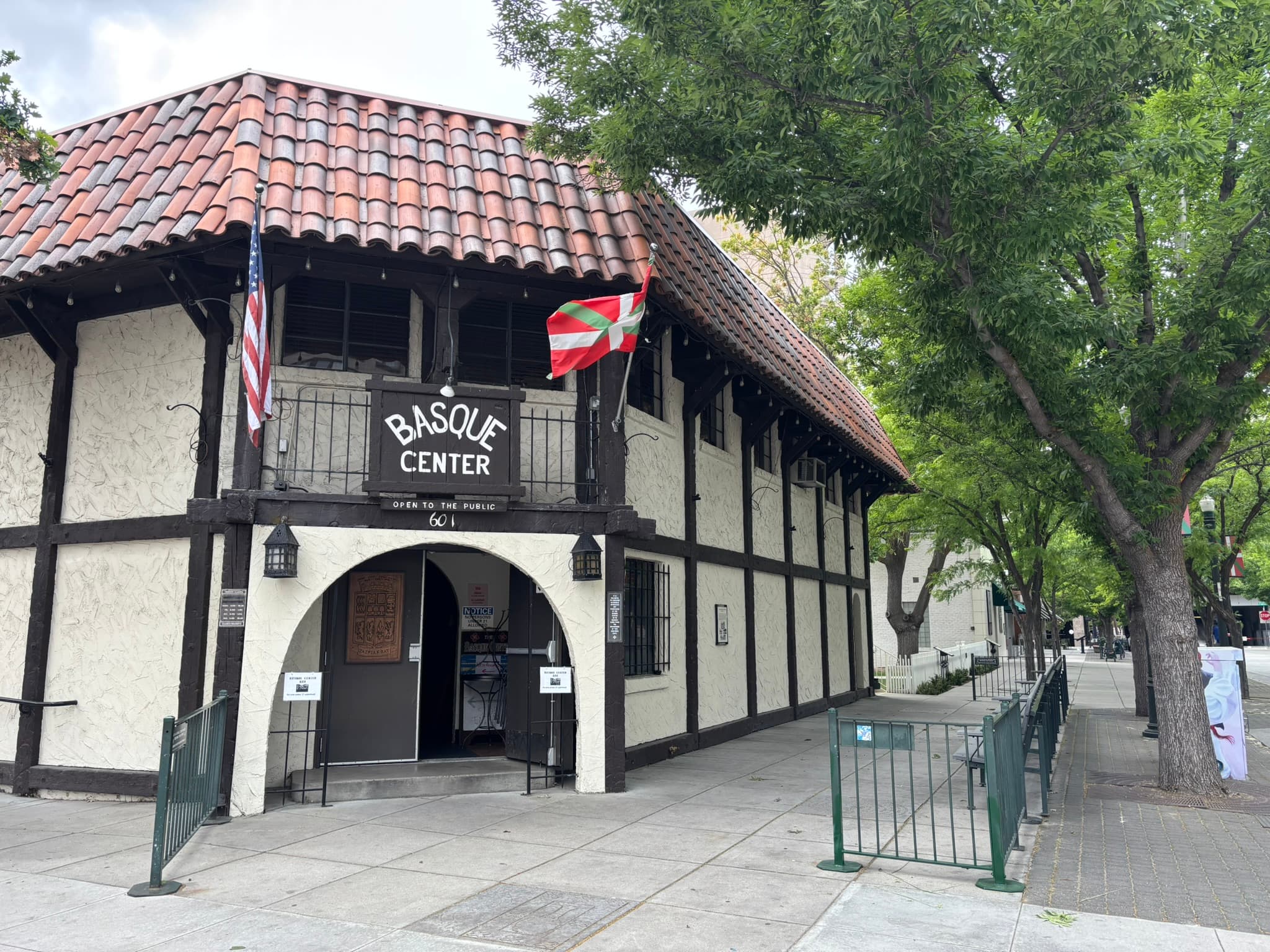
What looks like a tidy cultural district on Grove Street started as working infrastructure for immigrants building a life from scratch in the high desert.
BOISE, ID—Walk the Basque Block on a weekday morning, before the lunch crowd arrives, and it reads less like an attraction and more like a neighborhood that simply never left. The block along Grove Street is easy to file under "charming downtown district," which is the fastest way to misunderstand it.
The Basque Museum and Cultural Center, the old boarding houses, the restaurants and social clubs—these weren’t assembled for visitors. They were assembled for people who needed somewhere to sleep, eat, and find work in a country whose language they didn’t speak.
Basque immigrants began arriving in Idaho in significant numbers in the late nineteenth century, drawn largely by the sheep industry. Boise became a natural hub, and Grove Street became the place where that community put down institutional roots.

Boarding houses on the block weren’t quaint; they were practical. A Basque sheepherder coming off months in the high desert needed a room, a meal cooked in a familiar style, and a room full of people who understood what he said.
The Cyrus Jacobs House—one of the older structures associated with the block—is a reminder that these buildings have been doing different jobs for a long time. What becomes a cultural landmark often started as something considerably more utilitarian.
Boise ended up with one of the largest urban Basque communities outside the Basque Country itself, a fact that still surprises people who assume the connection is decorative. It isn’t.

The Basque Museum documents a continuous community history, not a heritage theme imported for atmosphere. The block looks polished now, and that’s fine.
Neighborhoods that survive long enough tend to get a little tidier. But the reason it survived is that it was genuinely necessary to real people at a specific moment in Boise’s history—and the community it served stuck around to take care of it.

That’s a different thing from a theme district, and the difference is worth knowing before you order the lamb stew.